Proper car care is essential for maintaining both the performance and longevity of your vehicle. A well-maintained car not only runs more efficiently but also ensures safety for you and your passengers. Vehicles that are neglected often experience a faster decline in performance, increased fuel consumption, and a higher likelihood of costly repairs. From regular cleaning to mechanical inspections, every aspect of vehicle care contributes to a smoother driving experience, reduces the likelihood of unexpected breakdowns, and can even prevent accidents caused by mechanical failures. Developing a consistent car care routine, including timely car repair, can also help retain your vehicle’s resale value, making it a wise investment for both new and older cars.
When it comes to practical car maintenance, attention to detail is key. Even small habits, such as checking fluid levels, cleaning filters, or inspecting tire condition, can prevent larger, costlier problems down the road. Car owners who approach maintenance proactively often experience fewer breakdowns, enjoy more confidence while driving, and feel a stronger sense of control over their vehicle’s performance. This guide will walk you through essential areas of vehicle care, offering both general advice and more targeted tips that address specific needs, from interior upkeep to engine maintenance and seasonal preparation. By understanding and implementing these practices, every driver can ensure their car remains reliable, safe, and enjoyable to drive, while also maximizing the benefits of insurance coverage.
Choosing the Right Car Wash Products

Maintaining the cleanliness of your vehicle is more than just an aesthetic choice—it also protects the car’s exterior from damage. Selecting the right car wash products ensures that the paint, trim, and glass are properly cared for, preventing scratches, fading, or corrosion over time. Using high-quality soaps, waxes, and microfiber towels can make a noticeable difference in the car’s appearance and can extend the life of the exterior surfaces. Regular washing also removes harmful debris, such as dirt, salt, and pollutants, which can wear down a car’s finish if left unchecked. When choosing products, consider both your vehicle’s specific needs and the conditions it faces daily. Accessories like foam guns or specialized brushes can enhance the cleaning process, ensuring hard-to-reach areas are thoroughly treated. Investing in the right auto accessories not only makes the process easier but also helps you maintain the car’s value and visual appeal, including maintaining any custom car graphics.
Maintaining Engine Health
A vehicle’s engine is its most critical component, and proper care is essential to ensure optimal performance. Regular maintenance, such as oil changes, coolant checks, and belt inspections, helps prevent breakdowns and costly repairs. A healthy engine contributes to better fuel efficiency, smoother acceleration, and overall vehicle reliability. Understanding basic engine care and recognizing early warning signs of trouble can save significant time and money in the long run. Seeking professional help from local auto repairs ensures that the engine continues to operate safely and efficiently.
Specific steps to maintain engine health include monitoring oil levels and quality, replacing filters, and ensuring the cooling system functions properly. It’s also important to follow manufacturer-recommended service intervals for spark plugs, timing belts, and other engine components. Addressing minor issues promptly, such as unusual noises or decreased performance, can prevent major engine damage. Additionally, combining routine maintenance with affordable auto insurance provides financial protection in the event of unexpected damage or accidents.
Inspecting Tires and Brakes
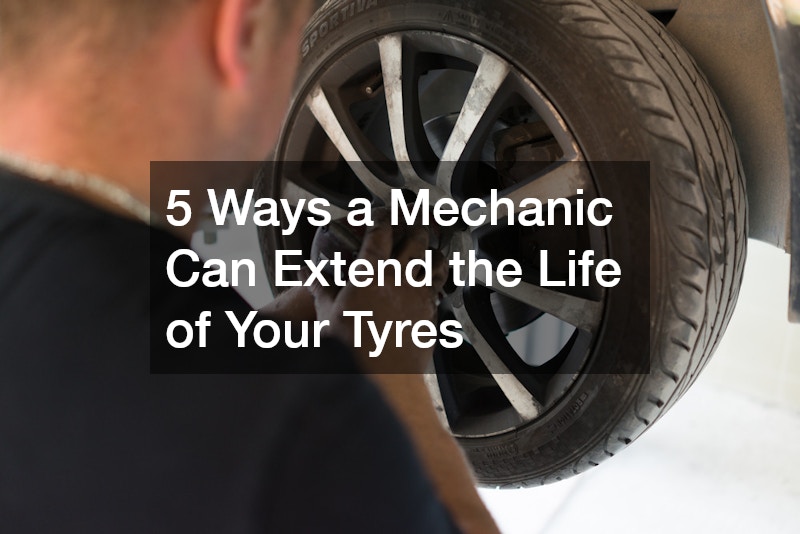
Tires and brakes are fundamental to vehicle safety, yet they are often overlooked until a problem arises. Proper inspection and maintenance of these components ensures reliable traction, smooth handling, and effective stopping power. Regularly checking tire pressure, tread depth, and brake performance not only enhances driving safety but also prevents premature wear that can lead to costly replacements. Specific maintenance steps include checking tires for uneven wear, bulges, or punctures, and rotating them regularly at a trusted tire shop to extend their lifespan.
For brakes, it is important to listen for unusual noises like squealing or grinding, monitor brake pad thickness, and ensure brake fluid is at the proper level. Performing timely brake repairs reduces the risk of accidents and ensures your vehicle remains safe under various driving conditions. Understanding the basic signs of tire and brake issues helps drivers stay proactive in maintaining these critical systems.
Caring for Interior Surfaces

A clean and well-maintained interior not only enhances comfort but also preserves the value of your vehicle. Dust, spills, and debris can accumulate over time, leading to unpleasant odors, stains, or even wear on upholstery and trim. By routinely cleaning and protecting interior surfaces, drivers can enjoy a more pleasant driving experience and maintain a vehicle that looks and feels cared for. Interior maintenance also contributes to overall hygiene, which is especially important for families or frequent passengers.
To maintain your vehicle’s interior, consider using protective sprays for leather and vinyl, specialized cleaners for fabric seats, and microfiber cloths for dashboards and glass surfaces. Regular vacuuming removes dirt from carpets and hard-to-reach areas, preventing long-term damage. Even small actions, like wiping down frequently touched surfaces or conditioning leather seats, make a significant difference in preserving both appearance and comfort.
Protecting Exterior Paint
The exterior paint of a vehicle is its first line of defense against environmental damage, from UV rays to road debris. Maintaining the paint not only keeps your car looking attractive but also prevents rust and corrosion, which can compromise the body over time. Routine washing, waxing, and the use of protective coatings help safeguard the paint, preserving both aesthetics and resale value. A strong exterior finish reflects a commitment to overall vehicle care and demonstrates attention to detail.
More specific measures to protect paint include applying wax or sealant at least twice a year and using paint protection films for areas prone to chips or scratches. Parking in shaded areas or using a car cover can reduce sun damage, while careful cleaning techniques prevent swirl marks and other surface imperfections. Investing in these preventative measures ensures the vehicle retains its shine and structural integrity for years to come.
Monitoring Fluid Levels
Vehicle fluids are the lifeblood of your car, playing a vital role in keeping all systems running smoothly. Engine oil, coolant, transmission fluid, brake fluid, and power steering fluid all require regular checks to ensure optimal performance and prevent mechanical failures. Neglecting fluid maintenance can lead to overheating, reduced efficiency, or even engine damage, making it essential for car owners to stay vigilant. Understanding the importance of each fluid type helps maintain overall vehicle health and safety.
Specific steps for monitoring fluids include checking levels with dipsticks or reservoirs, inspecting for leaks, and replacing fluids according to manufacturer recommendations. For example, engine oil should be changed on schedule, while brake and transmission fluids may require periodic flushing. Keeping fluids at proper levels and using the correct type for your vehicle ensures smooth operation, protects components, and extends the lifespan of your car. Combining this routine maintenance with insurance coverage helps protect both your vehicle and your financial investment.
Cleaning and Replacing Filters

Filters play a crucial role in maintaining engine efficiency and air quality inside the vehicle. Over time, air, cabin, and fuel filters can become clogged with dirt, debris, and other contaminants, reducing performance and comfort. Regular inspection and replacement of these filters ensures that your engine runs efficiently, your cabin air remains clean, and fuel consumption is optimized. Proper filter maintenance is a simple but essential aspect of overall car care.
More specifically, engine air filters should be checked every few thousand miles and replaced if dirty, while cabin air filters can be replaced to improve ventilation and remove allergens. Fuel filters should also be inspected periodically to prevent fuel system issues and maintain optimal engine performance. Following manufacturer guidelines for filter replacement keeps your car running smoothly and contributes to a healthier driving environment.
Maintaining Battery Performance
A reliable battery is essential for starting your vehicle and powering electrical systems, making battery maintenance a key part of car care. Batteries can deteriorate over time due to temperature extremes, corrosion, or infrequent use. By monitoring battery performance and performing routine checks, drivers can avoid unexpected breakdowns and extend the battery’s lifespan. Proactive maintenance ensures your vehicle remains dependable in all conditions.
Specific battery maintenance steps include checking for corrosion on terminals, ensuring secure connections, and testing voltage regularly. In colder climates, it’s important to keep the battery charged and protected against freezing temperatures, while in hotter areas, shielding it from extreme heat can prevent early failure. If the battery shows signs of weakness, replacing it promptly can prevent being stranded and ensure all electrical components function properly.
Preparing for Seasonal Changes
Seasonal weather can have a significant impact on vehicle performance, safety, and longevity, making it essential for drivers to take proactive measures throughout the year. Each season brings its own unique challenges, from snow and ice in the winter to intense heat and storms in the summer. Preparing your car for these changing conditions helps prevent damage, maintain efficiency, and ensure reliable operation regardless of the weather. Simple tasks such as adjusting tire pressure, checking antifreeze levels, and inspecting windshield wipers and lights can significantly reduce the risks associated with extreme temperatures or wet conditions. Seasonal preparation not only protects the vehicle but also enhances driving comfort and reduces the likelihood of costly repairs caused by neglect.
More specific seasonal preparations can make a noticeable difference in vehicle performance and safety. In colder months, switching to winter tires before snow and ice arrive improves traction and braking on slick surfaces, while checking the battery’s condition helps prevent unexpected failures during freezing temperatures. Antifreeze levels should be monitored to avoid engine damage from freezing, and windshield wipers and washer fluid should be evaluated to maintain clear visibility during snow or rainstorms. In warmer months, ensuring the air conditioning system is functioning properly helps maintain comfort during extreme heat, while checking tire pressure and fluid levels can prevent overheating and premature wear.
Additional steps to prepare for seasonal changes include applying protective coatings to the paint to prevent sun damage, inspecting and replacing windshield wipers to maintain safety in rain, and keeping an emergency kit in the car that includes blankets, water, and basic tools. Seasonal inspections might also involve checking belts, hoses, and the cooling system to avoid breakdowns during extreme weather conditions. By addressing these seasonal needs proactively, drivers can ensure safer, smoother driving in any weather and extend the life of their vehicle. Pairing seasonal maintenance with insurance coverage provides added peace of mind, knowing that both your car and finances are protected.
Scheduling Regular Professional Checkups
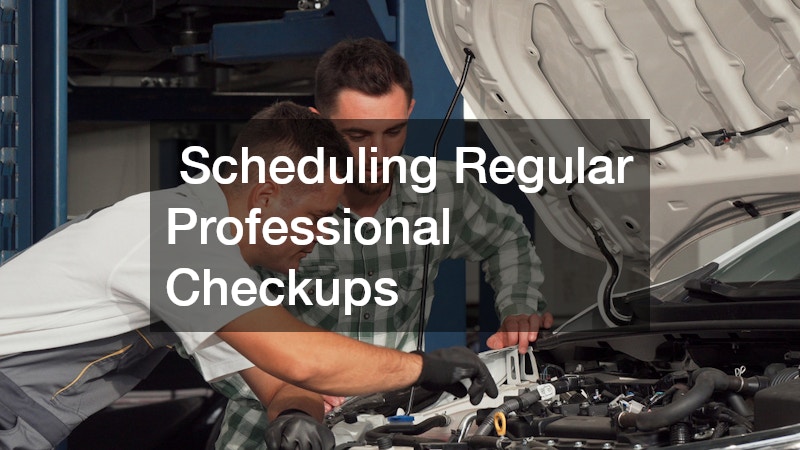
Even with diligent personal maintenance, professional inspections are essential for catching issues that might not be immediately visible. Regular checkups by trained technicians help identify mechanical, electrical, or safety concerns before they become serious problems. Regular car repair and maintenance help prevent costly breakdowns and keep your vehicle running safely and efficiently. Combining routine checkups with affordable auto insurance provides peace of mind, knowing that both your vehicle and finances are protected. Specific checkups might include diagnostic scans, brake inspections, car alignment assessments, and fluid analyses. Professionals can also provide specialized services such as transmission maintenance, suspension checks, brake repairs, or 24 hour towing. Scheduling routine appointments ensures that your vehicle receives expert attention, giving you confidence and keeping it running efficiently, while also protecting your investment in local auto repairs.
Proper car care is an ongoing commitment that combines routine maintenance, preventive measures, and professional guidance. By paying attention to both the exterior and interior of your vehicle, monitoring essential systems like the engine and brakes, and addressing seasonal or environmental challenges, drivers can ensure their cars remain safe, efficient, and visually appealing. Consistent maintenance not only extends the life of the vehicle but also enhances the overall driving experience, reduces unexpected repair costs, and preserves resale value. A well-cared-for car can provide years of dependable service while minimizing stress and inconvenience for the owner.
A comprehensive approach to car care involves balancing daily habits with scheduled inspections, timely repairs, and preventive actions. From choosing the right cleaning products to monitoring fluids, replacing filters, and consulting professionals, each step contributes to a healthier and more reliable vehicle. Additionally, investing in proper care demonstrates pride of ownership and can help avoid emergencies that disrupt daily life. Pairing proactive maintenance with insurance and affordable auto insurance ensures both your vehicle and financial well-being are protected. By embracing a thorough, proactive car care routine, drivers can enjoy peace of mind, confidence on the road, and a vehicle that continues to perform at its best for years to come, no matter the conditions or challenges it faces. Auto accessories, tire shop visits, brake repairs, car graphics, and local auto repairs all play a role in maintaining your vehicle’s value and performance.