A car accident can turn an ordinary day into a stressful and confusing experience in seconds. Whether it’s a minor fender bender or a more serious collision, knowing what to do next can make a major difference in your safety, finances, and peace of mind. Many drivers feel overwhelmed in the moments following an accident, which can lead to missed steps or costly mistakes.
This guide walks you through exactly what to do after a car accident, from ensuring everyone’s safety to getting your vehicle properly repaired. By following these steps, you’ll be better prepared to handle the situation calmly, protect yourself legally, and get back on the road with confidence.
Check for Injuries and Prioritize Safety First
Your first priority after any accident is safety. Take a moment to assess yourself and your passengers for injuries, even if the impact seemed minor. Adrenaline can mask pain, so it’s important to stay aware and cautious in the minutes following the crash. If anyone appears injured, call emergency services immediately rather than trying to move them unnecessarily.
If it’s safe to do so, move your vehicle out of traffic to prevent additional collisions. Turn on your hazard lights right away to alert other drivers. If you have warning triangles or cones, placing them behind your vehicle can help create a safer buffer zone. If the vehicle cannot be moved, remain inside with your seatbelt fastened, especially on busy roads.
In situations where your car is disabled but there are no serious injuries, roadside services can provide essential support such as jump-starting your battery or helping you safely manage the scene. However, never rely on basic assistance when medical attention is needed. Taking the right safety steps immediately after an accident can significantly reduce further risk and set the tone for everything that follows.
Contact Authorities and Document the Scene Properly
Calling the police after an accident is one of the most important steps you can take, even if the damage appears minor. A police report provides an official record of the incident, which can be invaluable if disputes arise later. Officers can also help manage traffic and ensure that everyone involved remains safe while details are collected.
While waiting for authorities to arrive, begin gathering essential information. Exchange names, contact details, driver’s license numbers, and registration information with the other driver. It’s equally important to collect their insurance details, as this will be necessary when filing a claim.
Use your phone to document the scene thoroughly. Take photos of all vehicles involved, visible damage, skid marks, road conditions, traffic signs, and any relevant surroundings. Capture multiple angles to ensure you don’t miss anything important. If there are witnesses, ask for their contact information as well.
Accurate documentation plays a key role when working with auto insurance providers. The more evidence you have, the easier it will be to support your claim and avoid delays. Staying organized and thorough at this stage can save you time, stress, and potential complications later in the process.
Know When to Call for Vehicle Assistance

After addressing immediate safety concerns, you’ll need to determine whether your vehicle is safe to drive. Even if the car appears functional, underlying issues such as fluid leaks, steering problems, or unusual noises could make driving dangerous. When in doubt, it’s always better to avoid taking risks.
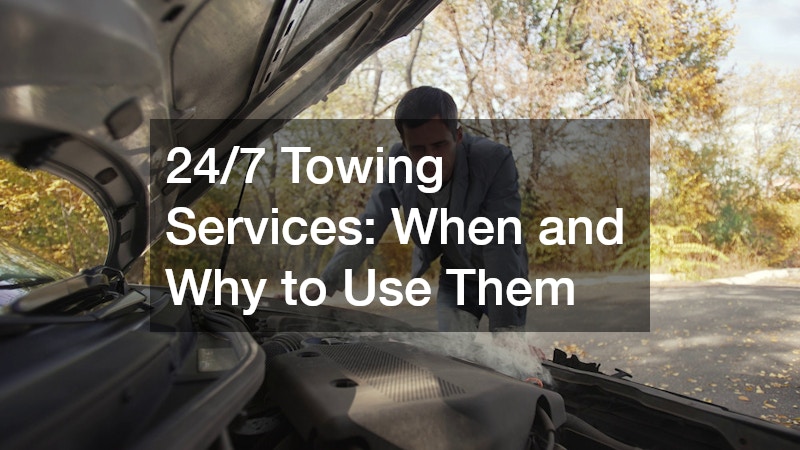
A car towing service is the safest option when your vehicle has sustained noticeable damage or is not operating normally. Driving a compromised vehicle can lead to further mechanical issues and increase the likelihood of another accident. Professional towing ensures your car is transported safely to a repair facility without causing additional harm.
When arranging towing, choose a reputable provider with clear pricing and proper licensing. If you’re unsure who to call, your insurance company or roadside assistance plan may be able to recommend a trusted service. Be sure to confirm where your vehicle is being taken and keep a record of the towing details.
Before your car is transported, remove any personal belongings you may need. Taking these steps helps you stay organized and ensures a smoother transition into the repair process. Acting quickly and responsibly at this stage can prevent unnecessary complications down the line.
Understand the Visible and Hidden Damage to Your Vehicle
After an accident, it’s natural to focus on visible damage like dents, scratches, or broken parts. However, not all damage is immediately noticeable. Collisions can affect internal components, structural alignment, and safety systems that require professional evaluation.
This is where collision repair services become essential. These specialists are trained to identify both obvious and hidden issues using advanced diagnostic tools. They assess everything from the frame and suspension to electrical systems and sensors, ensuring that your vehicle is fully restored.
Hidden damage can lead to serious problems if left unaddressed. For example, a misaligned frame can impact handling, while unseen mechanical issues may worsen over time. Even if your car seems drivable, skipping a thorough inspection can result in higher repair costs and safety risks later.
A comprehensive assessment gives you a clear understanding of your vehicle’s condition and helps prioritize necessary repairs. It also ensures that your car meets safety standards before returning to the road. Taking the time to address both visible and hidden damage is a critical step in protecting your investment and your well-being.
Handle Glass and Visibility Issues Immediately
Damage to your vehicle’s glass may seem minor at first, but it can quickly become a serious safety concern. Cracks, chips, or shattered windows can obstruct your view and reduce your ability to react to road conditions. Even small imperfections can spread over time due to temperature changes and vibrations.
Auto glass repair should be addressed as soon as possible to prevent further complications. In many cases, minor chips can be repaired quickly and affordably without replacing the entire window. However, larger cracks or severe damage may require a full replacement to restore visibility and structural integrity.
Driving with compromised glass increases the risk of accidents and can also weaken the overall strength of your vehicle, especially in the event of another collision. Your windshield, in particular, plays a key role in supporting the vehicle’s structure and protecting occupants.
Many repair providers offer mobile services, allowing technicians to fix the issue at your location. This can be especially helpful if your vehicle is not safe to drive. Acting quickly ensures that your visibility is restored and that your vehicle remains safe and compliant with road regulations.
Evaluate Brake and Safety System Performance
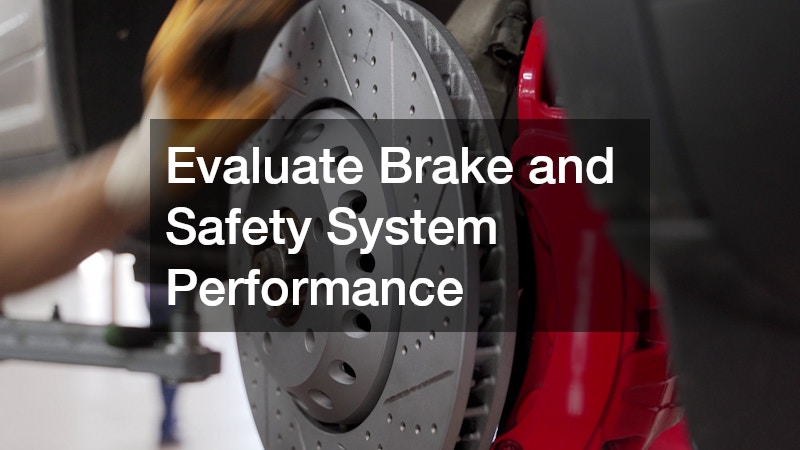
After a collision, it’s essential to assess how your vehicle’s braking system is functioning. Even minor accidents can impact components like brake pads, rotors, and hydraulic systems. The force of impact may cause parts to shift out of alignment or create uneven wear that isn’t immediately visible. Since your brakes are critical for safety, any issue—no matter how small it seems—should be addressed immediately to avoid putting yourself and others at risk.
Pay close attention to warning signs such as unusual squeaking or grinding noises, reduced responsiveness when pressing the pedal, vibrations during braking, or a soft or spongy feel underfoot. You might also notice your vehicle pulling to one side when stopping, which can indicate uneven brake performance. These symptoms often point to underlying damage that requires professional attention. Ignoring them can lead to dangerous situations, especially in emergency braking scenarios where every second and every inch of stopping distance matters.
A brake repair service will conduct a detailed inspection of your braking system, checking for wear, damage, fluid leaks, and proper functionality. They may also evaluate related safety systems like ABS sensors to ensure everything is working as intended. This thorough approach helps restore confidence in your vehicle’s performance and ensures consistent braking under different driving conditions.
Delaying brake repairs can increase stopping distances and compromise your ability to control the vehicle. Over time, minor issues can escalate into more costly repairs or complete component failure. Addressing these concerns promptly not only improves safety but also helps maintain the overall integrity of your vehicle.
Don’t Overlook Transmission and Drivetrain Damage
Transmission and drivetrain components are often overlooked after an accident, but they can be significantly affected by the impact. These systems are responsible for transferring power from the engine to the wheels, making them essential for proper vehicle operation.
After a collision, watch for signs such as delayed shifting, slipping gears, unusual noises, or fluid leaks. These issues may indicate the need for transmission repairs. Addressing them early can prevent more serious damage and costly repairs later.
In some cases, the damage may be severe enough to require transmission replacements. While this is a more involved process, it ensures that your vehicle can operate reliably and safely. A professional technician will evaluate the extent of the damage and recommend the best solution based on your vehicle’s condition.
Ignoring transmission issues can lead to reduced performance, decreased fuel efficiency, and potential breakdowns. Taking the time to properly assess and repair these components helps maintain your vehicle’s longevity and ensures a smoother driving experience moving forward.
Begin the Repair Process with a Trusted Shop
Selecting the right repair shop is a crucial part of recovering from an accident. Not all facilities offer the same level of expertise, so it’s important to choose a shop with a strong reputation and certified technicians.
A reliable auto repair shop will provide a detailed estimate, explain the necessary repairs, and keep you informed throughout the process. Many shops that specialize in collision repair services can also work directly with your insurance provider, simplifying communication and reducing stress.
Before approving any work, ask questions about the timeline, parts being used, and warranty coverage. Understanding these details helps you make informed decisions and ensures that your vehicle is restored properly.
Working with a trusted shop not only improves the quality of repairs but also gives you peace of mind. Knowing that your vehicle is in capable hands allows you to focus on other aspects of recovery. Taking the time to choose the right professionals can make a significant difference in the overall outcome.
Stay on Top of Insurance Claims and Paperwork

Managing the administrative side of an accident can be overwhelming, but staying organized is key to a smooth process. Start by notifying your insurance provider as soon as possible and providing all relevant details about the incident.
Your auto insurance company will assign an adjuster to evaluate the damage and determine coverage. Be prepared to share documentation such as photos, the police report, and repair estimates. Responding promptly to requests can help speed up the process.
Understanding your policy is also important. Know your deductible, coverage limits, and any additional benefits you may have. Keeping track of all communications and paperwork ensures that nothing is overlooked.
Staying proactive helps prevent delays and reduces the likelihood of complications. By maintaining clear records and following up when necessary, you can navigate the claims process with greater confidence and efficiency.
Plan for Ongoing Maintenance After Repairs
Once your vehicle has been repaired, ongoing maintenance is essential to ensure it continues to perform safely and reliably. Even after professional repairs, it’s possible for minor issues to develop over time.
Scheduling regular car service appointments allows technicians to monitor your vehicle’s condition and address any lingering concerns. This includes checking alignment, fluid levels, and overall performance to ensure everything remains in good working order.
Pay attention to how your car drives in the weeks following repairs. If you notice unusual sounds, vibrations, or changes in handling, have it inspected promptly. Addressing these issues early can prevent more serious problems from developing.
Maintaining a consistent service routine not only extends the life of your vehicle but also gives you peace of mind. Staying proactive after an accident ensures that your car remains dependable and safe for everyday use.
Staying Prepared After the Unexpected

Dealing with a car accident is never easy, but knowing what steps to take can make the process far more manageable. From ensuring safety at the scene to navigating repairs and follow-up care, each decision plays a role in protecting both you and your vehicle.
By staying calm, gathering the right information, and working with trusted professionals, you can move forward with confidence. Taking the time to handle each step properly not only reduces stress but also helps you avoid costly mistakes and ensures your vehicle is safe to drive again.