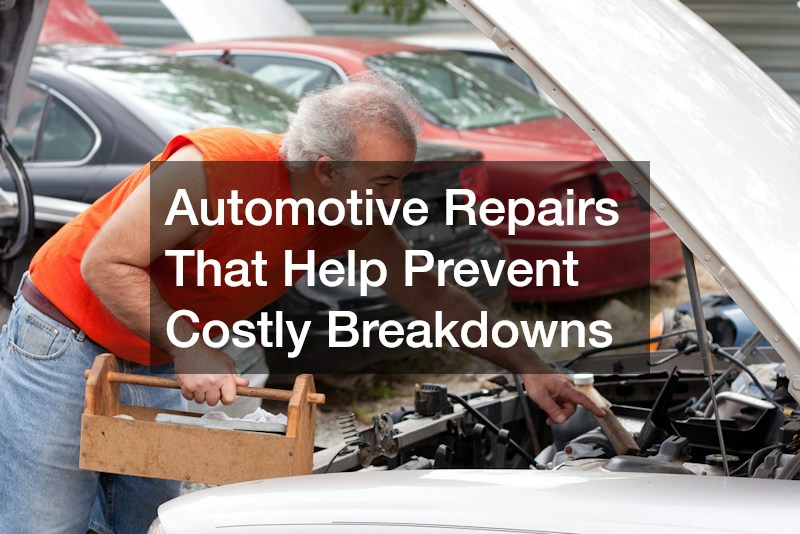
Vehicle breakdowns can happen at inconvenient times, leaving drivers stranded and facing unexpected repair bills. Although some mechanical failures occur without warning, many begin as small problems that become more expensive when ignored. Regular inspections, timely maintenance, and attention to unusual vehicle behavior can help prevent these situations.
Schedule Regular Inspections to Catch Mechanical Problems Early
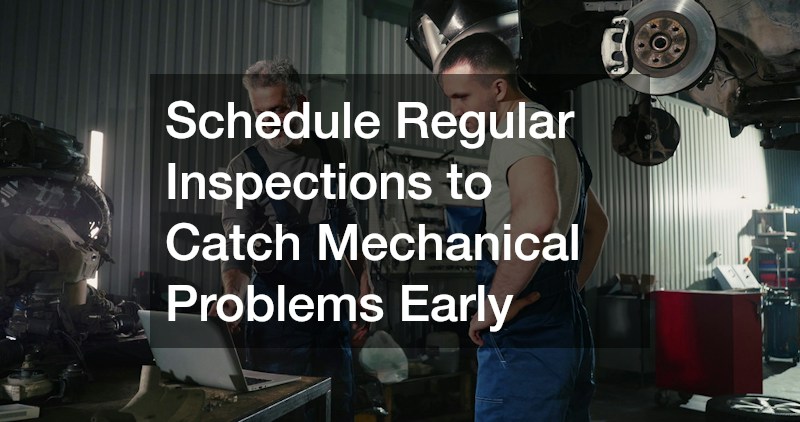
Routine maintenance helps identify developing problems before they cause extensive damage. Engines, transmissions, brakes, and electrical systems experience wear over time, making regular inspections essential for vehicle reliability.
A consistent automotive repair schedule should follow manufacturer recommendations and account for driving conditions. Frequent short trips, heavy traffic, towing, and extreme temperatures may require more frequent maintenance.
Important maintenance tasks include:
- Check engine oil: Replace oil and filters according to the recommended schedule to reduce friction and engine wear.
- Inspect belts and hoses: Look for cracks, leaks, swelling, and loose connections.
- Test the battery: Check its condition and connections, especially before extreme weather.
- Monitor fluids: Inspect coolant, brake fluid, and other serviceable fluids as recommended.
- Address warning lights: Investigate dashboard alerts instead of ignoring them.
Unusual noises, rough idling, reduced fuel economy, and vibrations may indicate developing mechanical issues. Record when these symptoms occur to help technicians diagnose the problem.
Keep maintenance records showing service dates, mileage, and replaced parts. These records help identify recurring problems and ensure important services are not overlooked. Prompt attention to warning signs can prevent minor faults from becoming expensive repairs.
Address Minor Impact Damage Before It Creates Larger Problems
Minor collisions and parking accidents can damage more than a vehicle’s exterior. Cracked panels may conceal broken mounting brackets, damaged wiring, or misaligned safety sensors. Addressing these problems early helps maintain vehicle appearance and functionality.
Professional bumper repair can restore damaged components when the materials and severity of the damage allow it. However, replacement may be necessary when structural components or mounting points are compromised.
After an impact, drivers should:
- Inspect visible damage: Look for cracks, loose panels, and uneven gaps.
- Check lights and sensors: Confirm that nearby lighting and parking assistance systems operate correctly.
- Listen for rattling: New noises may indicate loose attachments or hidden damage.
- Document the incident: Take photographs and record any new symptoms.
- Arrange an inspection: Have concealed damage evaluated when the impact was significant.
Weather exposure, road salt, and vibration can worsen existing damage. A loose panel may become more unstable, while exposed areas may become vulnerable to corrosion.
Avoid relying on improvised adhesives or fasteners without understanding the component’s design. Modern vehicles may require specific procedures to restore sensor positioning and functionality after repairs.
Protect Engine Performance Through Proper Maintenance
Diesel engines often operate under demanding conditions, particularly in commercial transportation, towing, and construction. They depend on clean fuel, suitable lubrication, and effective cooling to maintain reliable performance.
Timely diesel repair and diagnostics can identify problems before they damage expensive components. Hard starting, reduced power, excessive exhaust smoke, and declining fuel economy may indicate issues with fuel delivery, turbochargers, or emissions equipment.
Drivers can protect diesel engines by following these practices:
- Replace fuel filters: Follow recommended intervals and drain water separators when required.
- Use appropriate engine oil: Select oil that meets the manufacturer’s specifications.
- Inspect cooling components: Check hoses, radiators, coolant levels, and visible leaks.
- Monitor engine performance: Investigate unusual noises, smoke, or changes in acceleration.
- Maintain emissions systems: Follow recommendations for diesel particulate filters and related equipment.
Fuel contamination can damage sensitive injection components. Using appropriate fuel and replacing filters on schedule helps reduce this risk.
Overheating requires immediate attention because excessive temperatures can damage engine components and cylinder-head gaskets. If an overheating warning appears, stop somewhere safe and follow the manufacturer’s instructions. Never open a hot, pressurized cooling system.
Cold weather also affects diesel starting performance. Maintain the battery, use the specified fuel, and follow recommended cold-start procedures.
Repair Glass Damage Early to Preserve Visibility

A clear windshield is essential for safe driving. Small chips can spread because of road vibration, temperature changes, and additional impacts. Addressing damage promptly may prevent a relatively simple repair from becoming a full replacement.
Professional windshield repair is appropriate for certain chips and minor cracks, depending on their size, depth, location, and severity. Damage in the driver’s primary viewing area or near the windshield’s edge may require replacement instead.
Drivers should take these precautions:
- Inspect glass regularly: Look for chips, cracks, and damage around the edges.
- Arrange prompt assessment: Early evaluation helps determine the safest repair option.
- Avoid sudden temperature changes: Never pour hot water onto frozen glass.
- Maintain wiper blades: Replace worn blades to improve visibility in rain and snow.
- Keep washer fluid available: Use appropriate fluid for seasonal conditions.
The windshield also contributes to vehicle structural integrity and may support proper airbag deployment. Replacement must therefore follow appropriate installation procedures.
Maintain Air Conditioning for Comfort and Visibility
A reliable air conditioning system keeps the cabin comfortable and helps remove moisture from the air, supporting windshield defogging in many conditions. Weak cooling may indicate refrigerant loss, restricted airflow, electrical problems, or mechanical wear.
Timely car ac repairs can prevent developing faults from causing additional damage. For example, a blocked condenser may reduce cooling efficiency, while a malfunctioning fan can affect heat transfer.
Regular maintenance should include:
- Test cooling performance: Check whether the system produces consistent, appropriately cool air.
- Replace cabin filters: Restricted filters can reduce airflow and increase strain on the blower.
- Inspect the condenser: Remove debris carefully to maintain airflow.
- Listen for unusual noises: Grinding or squealing may indicate component problems.
- Investigate odors: Persistent musty smells may indicate moisture buildup or contamination.
- Address recurring cooling problems: Intermittent operation may require professional diagnosis.
Refrigerant should not routinely disappear from a properly functioning sealed system. If levels are low, a leak may be present. Adding refrigerant without identifying the cause may provide only temporary relief.
Different vehicles use different refrigerants, and incorrect charging can damage components. Qualified technicians have the equipment to inspect pressures, locate leaks, and recharge the system appropriately.
Maintaining the air conditioning system improves comfort, supports visibility, and helps identify faults before extreme temperatures make them especially inconvenient.
Inspect Tires Regularly to Reduce Roadside Emergencies
Tires affect braking, steering, stability, and fuel efficiency. Improper inflation, insufficient tread, and structural damage can compromise safety and increase the risk of roadside emergencies.
Reliable tire shops can inspect tread depth, assess tire damage, check inflation, and identify uneven wear that may indicate alignment or suspension problems.
Drivers should make these checks part of their routine:
- Check pressure monthly: Measure pressure when tires are cold and follow the vehicle manufacturer’s recommendations.
- Inspect tread depth: Replace tires before they become unsafe or fall below applicable legal limits.
- Look for damage: Bulges, deep cuts, exposed cords, and significant cracks require prompt assessment.
- Rotate tires as recommended: Rotation can promote even wear when appropriate for the vehicle.
- Investigate vibrations: Steering-wheel shaking may indicate imbalance, wheel damage, or tire defects.
- Check alignment: Pulling to one side and uneven wear may indicate alignment problems.
Remember that the maximum pressure printed on a tire’s sidewall is not necessarily the correct operating pressure for your vehicle. Use the manufacturer’s specified pressure instead.
Wheel alignment and balancing serve different purposes. Alignment concerns wheel angles, while balancing addresses uneven weight distribution in the wheel-and-tire assembly.
Cold temperatures generally reduce tire pressure, while heavy loads and hot pavement affect operating conditions. Before long journeys, inspect the spare tire and ensure emergency equipment is available.
Address Handling Changes Before They Become Safety Problems

The suspension system helps absorb road impacts, maintain tire contact, and stabilize the vehicle during turns and braking. Worn components can affect handling, comfort, and tire life.
Seeking local suspension repair when symptoms first appear can help prevent additional wear and restore predictable vehicle behavior.
Watch for these warning signs:
- Excessive bouncing: Worn shocks or struts may reduce control over vehicle movement.
- Clunking noises: Sounds over bumps or during turns may indicate worn joints, bushings, or mounts.
- Uneven tire wear: Suspension and alignment problems can cause irregular tread patterns.
- Steering instability: Wandering or inconsistent handling warrants inspection.
- Excessive body movement: Pronounced leaning during turns may indicate reduced suspension control.
- Visible leaks: Certain shocks and struts can develop fluid leaks as they deteriorate.
Potholes, rough roads, and impacts with curbs can damage suspension components or change wheel alignment. If new noises or handling changes appear after an impact, arrange an inspection.
Suspension faults can also affect other systems. Worn components may contribute to premature tire wear, poor alignment, and reduced stability. However, similar symptoms can originate from tires, steering components, or brakes.
A qualified technician should inspect the relevant components and explain which repairs are necessary. Avoid replacing parts without confirming the underlying cause.
Prepare Commercial Vehicles for Heavy Loads and Long Routes
Commercial vehicles often face greater demands than personal cars. Heavy payloads, towing, frequent stops, and extended operating hours accelerate wear on brakes, tires, engines, and suspension components.
Dependable local truck services can help operators identify developing faults before they interrupt deliveries or daily operations.
A practical maintenance routine includes:
- Perform pre-trip inspections: Check tires, lights, brakes, mirrors, and visible fluid leaks.
- Respect load limits: Follow specified weight ratings and towing capacities.
- Monitor braking performance: Investigate unusual noises, pulling, or reduced braking response.
- Inspect tires frequently: Ensure correct inflation and suitable load ratings.
- Check fluids: Monitor oil, coolant, and other serviceable fluids according to manufacturer instructions.
- Record warning messages: Document symptoms and fault codes rather than repeatedly clearing alerts.
- Maintain service records: Track mileage, inspections, repairs, and recommended follow-up work.
Excessive loads increase stress on the engine, drivetrain, tires, suspension, and brakes. Proper cargo distribution is equally important because uneven loads can affect steering and stability.
Vehicles that idle frequently, tow regularly, or operate in dusty environments may need maintenance beyond standard mileage-based schedules. Fleet managers should account for these operating conditions.
Diesel-powered work vehicles also require attention to emissions systems. Persistent warning lights, reduced power, or interrupted regeneration cycles may indicate a need for professional diagnostics.
Protect Engine Components Through Proper Lubrication and Fuel Management
Engines depend on clean oil and a reliable fuel supply. Oil reduces friction, carries heat away from critical components, and helps transport contaminants to the filtration system. Fuel must reach the engine at the correct pressure and quantity for efficient combustion.
A consistent fuel oil service routine helps identify problems before they cause serious engine damage.
Drivers should follow these practices:
- Use the specified oil: Follow the manufacturer’s recommended viscosity and performance requirements.
- Check oil levels: Follow the correct procedure and investigate repeated low readings.
- Replace oil filters: Observe recommended service intervals and consider demanding operating conditions.
- Investigate leaks: Address visible oil loss rather than repeatedly topping up without diagnosis.
- Monitor fuel economy: Sudden changes may indicate mechanical or fuel delivery problems.
- Investigate starting issues: Hesitation, stalling, and difficult starting may indicate fuel system faults.
- Use appropriate fuel: Follow manufacturer requirements for fuel type and quality.
Fuel delivery problems may involve clogged filters, failing pumps, contaminated fuel, or malfunctioning injectors. Because symptoms often overlap, proper testing is important before replacing components.
Pay particular attention to oil pressure warnings. If the oil pressure warning illuminates while driving, stop safely, switch off the engine, and follow the manufacturer’s instructions. Continuing to operate an engine without adequate oil pressure can cause severe damage.
Some engines consume small amounts of oil during normal operation, but sudden increases or frequent top-ups deserve investigation. Technicians can check for external leaks, internal wear, and other causes.
Maintaining accurate records of oil consumption, filter changes, and recurring fuel problems helps identify changes over time.
Proper lubrication and fuel management reduce unnecessary engine stress and support long-term reliability.
Check Heating and Defrosting Systems Before Winter

A functioning heating system improves comfort during cold weather, but it also helps maintain clear windows. Effective defrosting is essential for visibility when frost and condensation develop.
Scheduling heater service before temperatures drop gives drivers time to address problems before freezing conditions arrive.
Common warning signs include:
- Weak cabin heat: Possible causes include low coolant, a malfunctioning thermostat, or restricted coolant flow.
- Reduced airflow: A clogged cabin filter or failing blower motor may prevent warm air from reaching the cabin.
- Coolant odors: A sweet smell inside the vehicle may indicate a leak.
- Persistent window fogging: This may indicate moisture problems or a leaking heater core.
- Unusual engine temperatures: Slow warm-up or overheating can indicate cooling system faults.
Drivers should check coolant levels according to manufacturer instructions and investigate repeated coolant loss. Never open a hot, pressurized cooling system because escaping coolant can cause serious burns.
Weak heating does not automatically mean the heater core has failed. Electrical problems, damaged air-mix doors, restricted filters, and blower motor faults can produce similar symptoms. Professional diagnosis helps avoid unnecessary repairs.
Before winter, also check the battery, tire condition, and other systems affected by cold weather. If the defroster cannot clear the windshield adequately, wait until visibility is safe before driving.