How To Take Care of Your Car After an Accident
Experiencing a car accident can be overwhelming, stressful, and confusing. Even a minor collision can leave you shaken and unsure about what to do next. Once the immediate shock wears off, it is only natural to wonder how to properly care for your vehicle and return it to a safe and reliable condition. Many drivers focus on the legal, financial, or emotional aftermath and forget that the physical condition of the car needs urgent attention as well. Damage that seems small at first can worsen over time, and overlooking early warning signs can put your safety at risk. A well structured approach helps you avoid hazards, preserve the value of your vehicle, and ensure that small issues do not escalate into expensive problems later on. Taking the right steps can also protect you if an insurance claim or legal matter arises in the future, since proper documentation and timely repairs often influence the outcome.
You may not realize how many factors go into restoring a vehicle after an accident, from checking for hidden mechanical problems to addressing cosmetic flaws that could compromise long term durability. Understanding how each part of the process works gives you greater control and confidence as you move forward. This guide offers a complete look at what to do for your vehicle after an accident and explains each stage in clear, practical terms. From the initial inspection to potential upgrades and safe storage, you will find insights that help you make informed decisions rather than rushing or guessing. Each section covers a crucial stage of post accident car care and provides recommendations that can help you protect both your investment and your safety. Whether the damage is minor or significant, the following steps will help you understand what happens next and how to keep your car in excellent condition as you recover from the incident.
Take Care of Yourself
You may find yourself worrying about the apparent damage to your vehicle after an accident, but it’s very important to take a moment to check on yourself first. Even if you feel fine initially, adrenaline can mask pain and symptoms for hours or even days. Schedule a medical checkup as soon as possible so a professional can evaluate you for hidden injuries such as whiplash, soft tissue damage, or concussions. Follow your doctor’s recommendations, rest when needed, and keep track of any symptoms that arise later. Prioritizing your health not only supports your recovery but also provides essential documentation if you file an insurance claim or pursue legal action.
Inspect Car for Damage
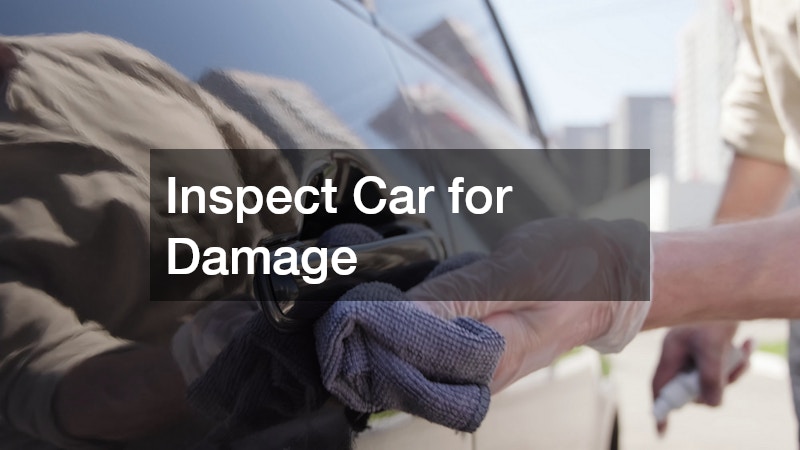
The first and most important thing you should do after an accident is examine your vehicle for visible and hidden problems. Even a minor collision can cause internal issues that may not appear right away. Look for signs such as fluid leaks, unusual noises, bent metal, broken lights, or gaps between panels. Take your time during this inspection. Many drivers make the mistake of glancing over the exterior and assuming that everything is fine when deeper damage is present.
You should also check under the hood for anything out of place. Ensure that the radiator, hoses, and belts look secure and note any part that appears misaligned. Do not ignore the interior. If airbags deployed, seats shifted, or dashboard lights came on, you need to record these details for insurance and future repairs. If the car is drivable, listen closely during your next few trips. Squeaking, clicking, or grinding noises often indicate structural or mechanical issues.
Once you have collected enough information about the vehicle’s condition, it is essential to contact trusted car repair shops for a complete professional inspection. Certified technicians have the tools and expertise needed to uncover hidden damage and offer accurate recommendations. A professional assessment ensures that you do not miss anything that could affect safety or performance later.
Repair Dents and Scratches
Damage to the exterior of your vehicle might seem purely cosmetic, but dents and scratches can lead to rust, weakened metal, and reduced resale value. Even small imperfections can become larger problems when moisture, dirt, and salt penetrate the surface. After an accident, you should address these flaws promptly to protect the long term appearance and durability of your vehicle.
Start by evaluating the severity of the dents or scrapes. Light scratches sometimes buff out easily, while deeper marks require sanding, filling, or full panel replacement. Modern vehicles often use advanced materials that require specialized tools and training. That is why professional repair work typically produces better, more reliable results than attempting a do it yourself approach.
While exploring your options, consider reputable technicians who offer high quality auto repair services and have experience working with accident related damage. Experienced specialists understand how to handle distorted panels, broken trim, and misaligned components without causing additional harm. If the damage involved more force, you may also need auto collision repairs to restore the structural integrity of your vehicle. Skilled repair shops use advanced techniques such as paintless dent removal, laser measuring systems, and precision alignment tools to bring your car back to its original shape.
Do not postpone this step. Prompt attention prevents moisture from reaching exposed metal and keeps your vehicle looking clean and well maintained.
Repaint Your Vehicle
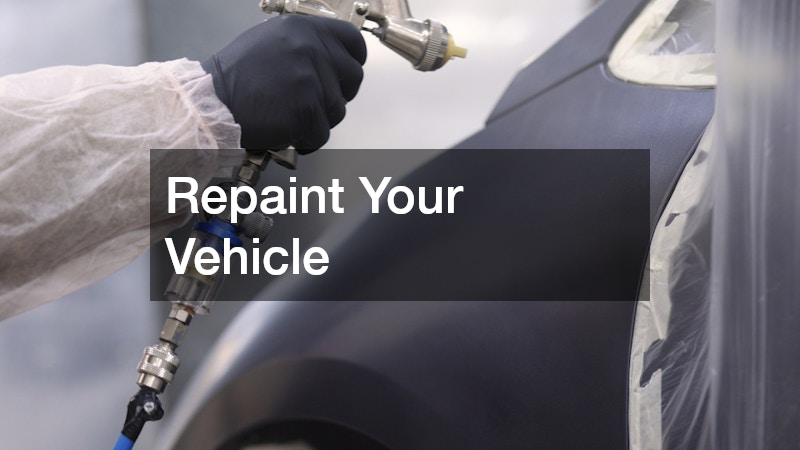
Once dents and scratches are repaired, repainting becomes a crucial step in the restoration process. A fresh coat of paint protects your car from rust and environmental wear while restoring its original appearance. If the accident caused paint to chip, peel, or crack, the damaged areas may expose bare metal, which can quickly corrode when left untreated.
Repainting involves multiple stages. First, technicians clean and sand the affected areas to create a smooth surface. Next, they apply primer to ensure proper adhesion. Once the base is ready, the selected paint is applied in thin, even layers to achieve perfect coverage. Finally, a clear coat protects the finish and adds shine.
Selecting a reputable auto body shop is essential for a high quality result. These professionals use color matching systems to ensure the new paint blends seamlessly with the rest of the vehicle. A proper repaint does more than improve looks. It helps preserve the structural integrity of your car by preventing rust and sealing vulnerable spots.
If your vehicle has extensive paint damage or if you simply want to refresh an aging exterior, a full repaint may be the right choice. Many shops offer custom color options as well, allowing you to personalize the final result. With the right care, the new finish can last for years and maintain a polished, professional appearance.
Check Your Wheels and Tires
Accidents commonly affect wheels, suspension components, and tread integrity. Even if the impact occurred on the opposite side of the vehicle, the force can travel through the frame and compromise your wheels or alignment. Driving with damaged components can cause uneven tire wear, reduced control, and unsafe handling in emergency situations.
Start by examining all four tires. Look for bulges, cuts, sidewall damage, or punctures. If the steering feels loose or the vehicle pulls to one side, you may have alignment issues or bent wheels. Vibrations at certain speeds also suggest that the wheels require balancing or replacement.
If your tires show significant wear or damage, installing new tires is the safest option. Replacing tires early reduces the likelihood of blowouts and ensures consistent traction. You should also have a technician inspect the suspension, wheel bearings, and brakes. An alignment check helps correct any angle changes that occurred during the accident. Addressing these issues quickly ensures a smoother ride and protects other parts from unnecessary strain.
Ignoring wheel related problems can lead to expensive repairs in the future. Regular maintenance and proper tire care play an important role in keeping your vehicle safe and reliable after an accident.
Seek Legal Aid
While taking care of your vehicle is important, addressing the legal side of an accident is equally essential. Even a minor collision can lead to complicated insurance claims, disputes over fault, or confusion about compensation. If the accident caused injuries or significant vehicle damage, professional legal guidance can protect your rights and help you navigate the process more effectively.
One of the most important decisions you can make is choosing a knowledgeable motor vehicle accident lawyer who understands local laws and insurance procedures. These professionals can help you gather evidence, negotiate settlements, and communicate with insurance companies on your behalf. If you face medical expenses, wage loss, or long term recovery needs, proper legal support ensures that you pursue the compensation you deserve.
In some situations, you may benefit from working with a car accident attorney who specializes in complex claims or cases involving multiple parties. Attorneys with this background understand how to build strong legal arguments, interpret police reports, and prove liability. They also guide you through deadlines, documentation, and negotiations, preventing mistakes that can weaken your claim.
Legal assistance is especially important if you were not at fault or if the other driver disputes responsibility. A professional ensures you do not overlook important details and helps you avoid being taken advantage of during the claims process.
Consider Vehicle Changes
If you are repairing or upgrading your vehicle after an accident, you may want to explore improvements that enhance performance, safety, or personal style. Some drivers see post accident repairs as an opportunity to customize their vehicles, especially if original components need replacement anyway.
One option is adding or replacing truck accessories if you drive a larger vehicle or use it for work. Upgrades like toolboxes, running boards, tow hitches, or improved lighting systems can make your truck more practical and functional. If a collision damaged existing accessories, this may be the perfect time to install newer versions.
Another common upgrade is window tint, which offers privacy, reduces heat, protects the interior from UV rays, and improves the overall appearance of the car. High quality tint can also reduce glare and make driving more comfortable in bright conditions. If your car already needed tint replacement or if the accident caused damage to the windows, this upgrade can be a helpful improvement during the restoration process.
Consider additional changes such as improved headlights, protective film, newer technology, or upgraded audio systems. These enhancements allow you to enjoy a refreshed and modernized vehicle once repairs are complete.
Store Your Vehicle Safely

After an accident, proper storage protects your car from weather, thieves, and additional damage. If you plan to take your time with repairs or wait for insurance approval, storing the vehicle in a safe environment prevents further complications. Exposure to rain, snow, wind, or extreme sunlight can worsen existing damage, especially if metal or paint is exposed.
Parking your vehicle under a carport provides shade and protection from the elements. This practical structure shields your car from UV rays, falling debris, and harsh weather. If the accident left any areas vulnerable, keeping the vehicle covered ensures that water does not seep into damaged components. If outdoor storage is your only option, using a high quality car cover is essential. Choose one designed for your vehicle size and capable of resisting moisture and dust.
If you live in an area with unpredictable weather or limited parking space, consider renting a temporary indoor storage unit. These controlled environments keep your vehicle secure and prevent additional wear. Proper storage also helps maintain the value of your vehicle by reducing exposure to conditions that can accelerate deterioration.
Caring for your vehicle after an accident requires a careful blend of immediate action and long term planning. From the initial inspection to final storage, each step ensures that your car remains safe, functional, and visually appealing. Addressing damage early helps you avoid costly repairs, while professional services restore structural integrity and maintain resale value. Attention to wheels, paint, and exterior components keeps your car performing at its best.
Legal assistance can help you navigate the often complicated aftermath of collisions. Upgrades and modifications allow you to rebuild your vehicle to your exact preferences. Safe storage prevents weather related issues and preserves your hard work during the repair process.
Accidents are never pleasant, but following these steps can help you manage the situation with confidence. When you understand how to care for your car after an accident, you protect your investment, maintain peace of mind, and enjoy a smoother path toward recovery.