Taking care of a vehicle involves much more than filling the tank and changing the oil. Over time, nearly every vehicle needs some combination of routine maintenance, repairs, inspections, replacement parts, and protection from unexpected damage. Understanding the different types of services available can help drivers recognize problems sooner and make informed decisions when something goes wrong.
Vehicle ownership can also involve decisions beyond mechanical work. Insurance coverage, appearance upgrades, roadside assistance, and specialized repair services can all play a role in keeping transportation reliable. Knowing what each service does and when it may be appropriate makes it easier to plan for both everyday maintenance and larger automotive expenses.
Recognizing When Your Vehicle Needs Attention
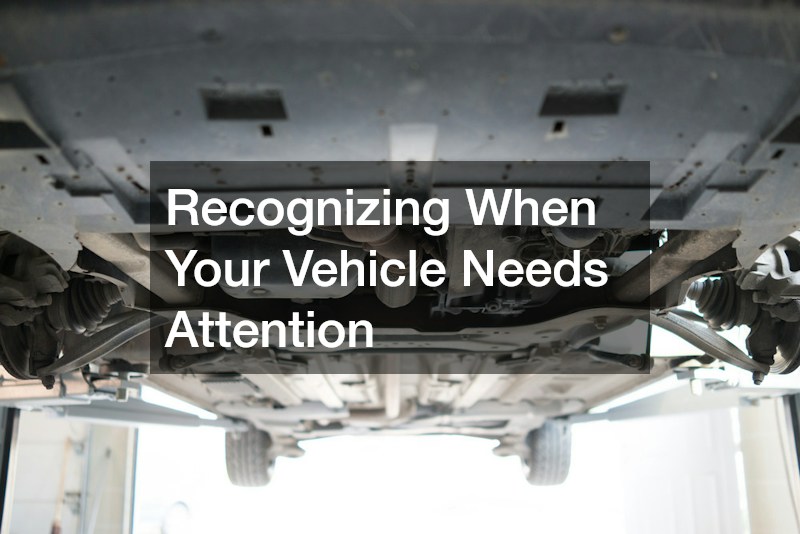
Many automotive problems begin with subtle changes. A vehicle may develop a new vibration, make an unfamiliar noise, pull slightly to one side, or take longer than usual to start. Paying attention to these changes can help prevent a minor issue from becoming a more expensive repair.
Common warning signs include:
- Dashboard warning lights that remain illuminated
- Unusual grinding, squealing, clicking, or knocking sounds
- Fluid leaks beneath the vehicle
- Reduced acceleration or unusual engine behavior
- Difficulty steering or maintaining a straight path
- Changes in braking performance
- Uneven or unusually rapid tire wear
- Poor fuel economy compared with normal driving
Drivers should also pay attention to changes that occur only under certain conditions. A vibration that appears at highway speeds, for example, may point toward a different concern than a vibration that occurs while braking. Similarly, a vehicle that struggles only when carrying a heavy load may require a different diagnostic approach than one that has trouble during normal driving.
Planning Routine Maintenance
Preventive maintenance is one of the most practical ways to support long-term vehicle reliability. Every vehicle has different maintenance requirements based on its design, mileage, age, driving conditions, and manufacturer recommendations.
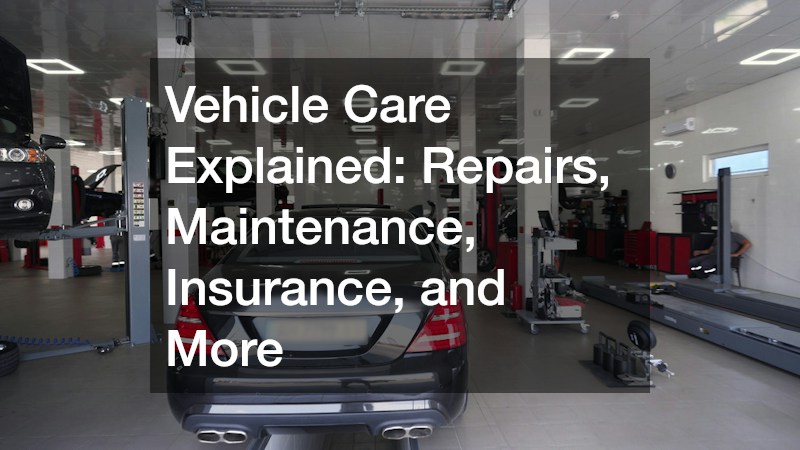
Oil changes are only one part of a maintenance schedule. Other services may include checking fluid levels, replacing filters, inspecting brakes, examining suspension components, rotating tires, testing the battery, and checking belts and hoses.
A useful maintenance approach includes:
- Keeping track of mileage and service dates
- Following the manufacturer’s maintenance recommendations
- Checking fluid levels periodically
- Monitoring tire pressure
- Inspecting tires for uneven wear or damage
- Replacing worn filters when appropriate
- Addressing dashboard warning lights promptly
- Keeping records of completed repairs and services
Driving conditions can also influence maintenance needs. Frequent short trips, heavy traffic, extreme temperatures, towing, and dusty environments can place additional demands on certain vehicle components.
Understanding Professional Repair Options
When a vehicle needs more than routine maintenance, choosing the appropriate repair provider becomes important. Different facilities may specialize in different types of work, and the right choice depends on the vehicle and the problem being addressed.
A qualified repair facility can diagnose an issue before recommending a solution. Diagnosis is important because similar symptoms can have multiple causes. For example, an engine that runs poorly could have an issue involving fuel delivery, ignition, air intake, sensors, or another system.
Drivers may encounter several types of repair providers, including independent garages, dealerships, specialty facilities, and general automotive service businesses. When comparing options, consider:
- Experience with the vehicle’s make and model
- Types of services offered
- Diagnostic capabilities
- Warranty policies
- Availability of replacement parts
- Written estimates
- Customer communication practices
- Whether the facility handles the specific repair needed
The term mechanics covers a broad range of automotive professionals, so drivers should look beyond the title and determine whether a provider has experience with the particular system requiring attention.
Evaluating Major Mechanical Repairs
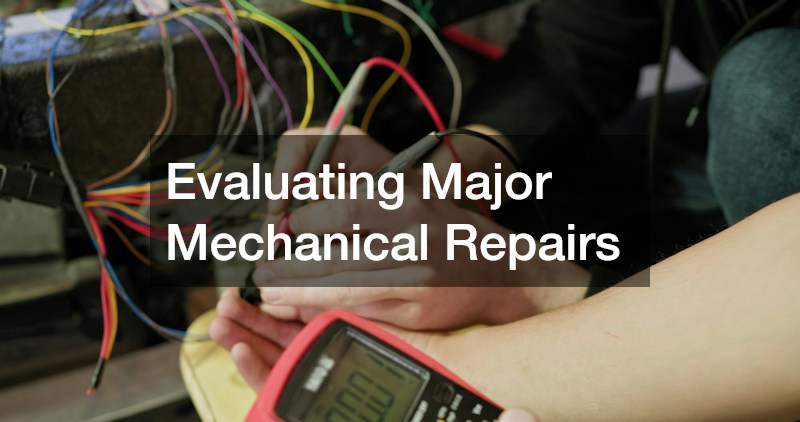
Some repairs are relatively straightforward, while others involve major components and substantial labor. A significant mechanical repair should generally begin with a careful diagnosis and a clear explanation of available options.
In certain situations, replacing a component may make more sense than attempting to repair it. The decision can depend on the extent of damage, parts availability, labor requirements, vehicle age, and the overall condition of the vehicle.
When considering a major repair, drivers should ask:
- What caused the failure?
- Has the underlying problem been identified?
- Is repair or replacement possible?
- Are new, rebuilt, or remanufactured components available?
- What parts and labor are included in the estimate?
- What warranty applies to the work?
- Could other components be affected?
- How long is the expected repair process?
Transmission problems provide one example of why these questions matter. A damaged transmission component may sometimes be repaired individually rather than replacing the entire transmission assembly. Remanufactured valve bodies can be an option in certain transmission repairs, depending on the specific vehicle and the condition of the existing system.
The same principle applies to other major components. Engine replacements may be considered when an engine has sustained severe internal damage or when repair costs are disproportionate to the condition and value of the vehicle. Replacement decisions should be based on the specific vehicle, the source of the failure, and the available repair alternatives.
Choosing Specialized Automotive Services
Not every vehicle can be treated exactly the same way. Specialized vehicles may require technicians who understand particular manufacturers, drivetrains, fuel systems, or mechanical designs.
European vehicles, for example, can use specialized components, diagnostic systems, and service procedures. Owners may therefore seek a European auto mechanic who routinely works with the relevant makes and understands their service requirements.
Diesel vehicles can have their own maintenance and diagnostic considerations as well. Diesel engines may involve specialized fuel systems, emissions equipment, turbocharging components, and other systems that differ from those found in gasoline-powered vehicles.
When searching among diesel mechanic shops, vehicle owners should consider whether the facility has experience with their specific engine and application. A passenger vehicle, commercial truck, work vehicle, and heavy-duty application may all have different service requirements.
Specialization can be especially valuable when a problem is difficult to diagnose. A technician who regularly works with a particular type of vehicle may be familiar with common failure points and manufacturer-specific diagnostic procedures.
Handling Tire Problems and Roadside Needs
Tires are among the most important components affecting how a vehicle accelerates, steers, and stops. Because they are the primary contact between the vehicle and the road, their condition deserves regular attention.
Drivers should monitor tread depth, inflation pressure, visible damage, and unusual wear patterns. Tire problems can develop from road hazards, improper inflation, alignment concerns, suspension problems, age, or normal wear.
Some situations require immediate assistance rather than a scheduled visit to a repair facility. A flat tire on the roadside, for example, can leave a driver unable to continue safely.
Mobile tire services can provide a convenient option in situations where bringing the vehicle to a shop is difficult.
Before a tire problem occurs, drivers can prepare by:
- Checking tire pressure regularly
- Knowing the recommended pressure for the vehicle
- Inspecting tires for cracks, bulges, or punctures
- Monitoring tread wear
- Understanding where the spare tire and tools are stored
- Keeping roadside assistance information accessible
- Replacing damaged tires when repair is not appropriate
Drivers should not assume every punctured tire can safely be repaired. The location and severity of the damage, tire condition, and applicable safety guidelines all matter.
Protecting the Vehicle’s Exterior
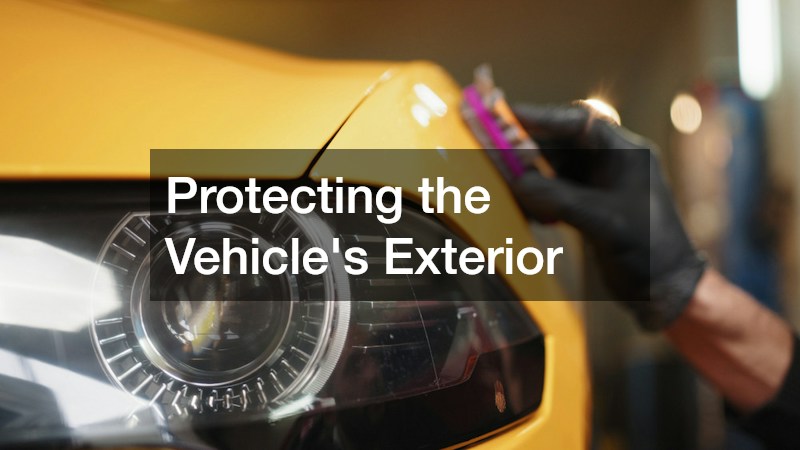
Mechanical reliability is only one part of vehicle ownership. Exterior condition can also matter to owners who want to preserve appearance, protect paint, or personalize their vehicles.
Cosmetic upgrades can range from small changes to comprehensive exterior modifications. Some owners choose car wraps to alter the appearance of a vehicle without permanently changing its factory paint color. Wraps can also be used for business branding, promotional graphics, or temporary styling changes.
Before choosing an exterior treatment, vehicle owners should consider:
- The condition of the existing paint
- The intended duration of the modification
- Installation requirements
- Maintenance requirements
- Removal procedures
- Warranty terms
- The reputation and experience of the installer
Protective measures can also include regular washing, appropriate cleaning products, paint protection treatments, and prompt attention to chips or scratches.
A vehicle’s exterior may deteriorate faster when exposed to prolonged sunlight, road salt, harsh weather, tree sap, bird droppings, and other environmental contaminants. Regular cleaning can help remove substances before they have more opportunity to affect painted surfaces.
Responding to Collision Damage
Accidents can create both visible and hidden damage. A vehicle may appear to have only a dent or scratched panel while also having damage to structural components, suspension parts, sensors, lights, or other systems.
After a collision, safety should take priority over cosmetic concerns. If the vehicle cannot be driven safely, it should not be operated simply to avoid the inconvenience of arranging transportation.
An auto collision shop may evaluate the vehicle, document damage, repair or replace affected components, and restore exterior surfaces. The exact process depends on the severity and location of the damage.
Collision repairs can involve several stages, such as:
- Initial damage assessment
- Insurance coordination
- Disassembly for additional inspection
- Structural or mechanical repairs
- Replacement of damaged components
- Body panel repair or replacement
- Painting and refinishing
- Reassembly
- Final inspection and quality checks
Modern vehicles may contain cameras, radar systems, sensors, and other technology that can be affected by a collision. These systems may require inspection or calibration after repairs.
Understanding Insurance Coverage
Insurance is another major part of responsible vehicle ownership. Policies can vary considerably, so drivers should understand what their coverage does and does not include rather than assuming every type of damage will be covered.
Home and auto insurance may be available through the same provider, and some insurers offer options for combining policies. Bundling arrangements can have different terms and eligibility requirements, so policyholders should review the actual coverage, deductibles, exclusions, and limits.
When reviewing an insurance policy, pay attention to:
- Liability coverage
- Collision coverage
- Comprehensive coverage
- Deductibles
- Rental vehicle coverage
- Roadside assistance
- Uninsured or underinsured motorist coverage
- Coverage limits
- Exclusions and restrictions
The value of understanding a policy becomes especially apparent after an accident or other unexpected event. Knowing the deductible and applicable coverage beforehand can make the claims process easier to navigate.
Insurance needs can also change over time. A newly purchased vehicle, change in driving habits, change in household circumstances, or change in vehicle value may justify reviewing existing coverage.
Working With Repair Facilities After an Accident
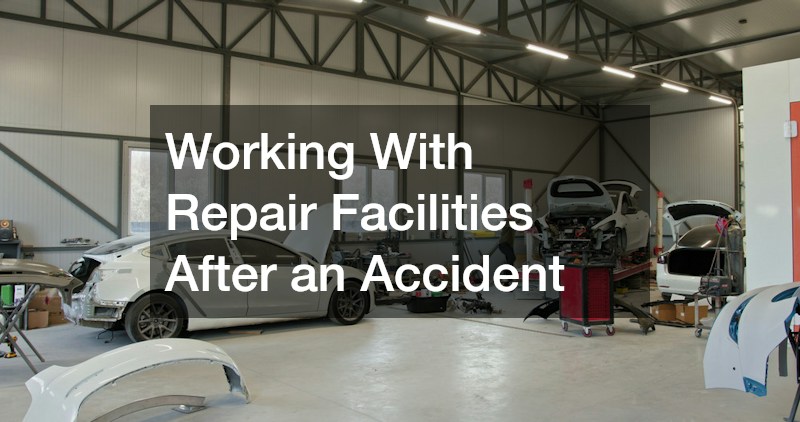
The period following a collision can be stressful, particularly when transportation is needed for work, school, family responsibilities, or other daily activities. Having a general understanding of the repair process can make the experience more manageable.
A body shop may handle exterior repairs such as damaged panels, dents, paintwork, and other body-related concerns. Some facilities focus heavily on collision repair, while others provide a broader range of automotive services.
When selecting a repair facility, drivers can ask about:
- Whether the facility works with their insurance provider
- How estimates are prepared
- Whether supplemental damage is documented
- Parts sourcing and availability
- Repair warranties
- Expected communication throughout the process
- Whether advanced driver-assistance systems require calibration
- How final inspections are performed
It is also useful to keep records throughout the process. Save estimates, photographs, insurance correspondence, invoices, and other documentation related to the repair.
Communication is particularly important when repair circumstances change. If additional damage is discovered after disassembly, the owner should receive an explanation of what was found, why additional work is necessary, and how the change may affect cost or completion time.
Creating a Long-Term Vehicle Care Strategy
Vehicle care works best when it is treated as an ongoing process rather than a series of isolated emergencies. A simple maintenance record can help owners keep track of oil changes, tire services, brake inspections, repairs, and other work.
A long-term strategy should account for both predictable and unexpected expenses. Routine maintenance can be planned, while an emergency fund or appropriate insurance coverage can help address less predictable events.
Vehicle owners can build a practical care routine by:
- Reviewing the owner’s manual
- Tracking mileage and service history
- Performing recommended maintenance
- Checking tires and fluids regularly
- Addressing warning signs promptly
- Keeping important insurance information accessible
- Saving documentation from major repairs
- Researching specialized service providers when needed
- Asking questions before approving expensive repairs
- Reviewing vehicle needs as age and mileage increase
It is also important to recognize when repair costs may require a broader financial discussion. A vehicle with frequent major failures may need a different strategy than a newer vehicle receiving routine maintenance. Repair history, current condition, anticipated future expenses, and the vehicle’s intended use can all contribute to that decision.
Good vehicle care does not mean eliminating every possible problem. Wear and unexpected failures are inevitable parts of ownership. The goal is to identify issues early, understand available options, and maintain the vehicle in a way that supports safe and dependable transportation.
Vehicle care encompasses much more than occasional repairs. It includes preventive maintenance, timely diagnosis, tire care, exterior protection, collision response, specialized services, and thoughtful insurance planning. Each area contributes to the overall condition and usefulness of a vehicle.
The most effective approach is to stay attentive to changes, maintain accurate service records, follow recommended maintenance schedules, and ask informed questions when professional work is needed. Taking these steps can make vehicle ownership more predictable while helping drivers respond confidently when unexpected problems arise.
A well-maintained vehicle still requires repairs from time to time, but proactive care can make those situations easier to manage. By understanding the different services available and planning for both routine and unexpected needs, owners can make practical decisions throughout the life of their vehicles.