Every work vehicle tells a story. Whether it is a dedicated service pickup, a heavy-duty haul rig, or a mobile workshop, your truck is far more than simple transportation. It functions as your mobile office, your primary storage facility, and the literal engine behind your livelihood. Every mile logged on the highway and every hour parked on a dusty, gravel-strewn job site subjects your vehicle to continuous stress. Over time, heat, heavy loads, harsh weather, and constant wear take a steep toll on both performance and appearance.
Smart ownership comes down to three strategic pillars: applying durable protective coatings, making practical interior and exterior upgrades, and keeping a bulletproof maintenance and emergency plan ready at all times. By taking a systematic approach to protecting and personalizing your vehicle, you preserve its resale value, enhance your daily comfort, and ensure that it remains dependable for every job you take on.
Fortifying the Exterior: Paint, Body, and Bed Protection

The exterior of a working vehicle takes the brunt of daily abuse. Cargo slides across the bed floor, road debris chips away at the paint, and weather exposure weakens unprotected surfaces. Preserving the structural and aesthetic health of your vehicle’s exterior requires proactive surface armor and efficient repair strategies.
Shielding the Cargo Area from Heavy Equipment Impact
The utility bed is arguably the most hard-pressed component of any work rig. Throwing heavy tools, building supplies, steel pipes, or gravel directly onto a bare metal bed quickly exposes raw steel to moisture, leading to premature rust and corrosion.
While traditional drop-in plastic liners offer initial protection against denting, they often trap water and sand underneath, creating a hidden environment for rust to thrive. Modern polyurethane coatings provide a seamless, permanent barrier that bonds directly to the metal sheet. Applying a durable spray-on bedliner creates a skid-resistant surface that prevents cargo movement while sealing out moisture, chemicals, and physical impacts.
- Impact Resistance: Absorbs energy from dropped tools and heavy crates, preventing structural creasing in the underlying metal floor.
- Corrosion Defense: Creates an airtight seal that isolates the metal bed from rainwater, road salt, and harsh chemical spills.
- Cargo Stability: The textured finish provides natural traction, preventing equipment from shifting dangerously during sudden stops or sharp turns.
- Resale Protection: Preserves the factory bed structure underneath, drastically increasing trade-in value when it comes time to upgrade your fleet.
Restoring Surface Integrity Without Expensive Bodywork
Even the most cautious drivers encounter flying gravel, stray job-site equipment, or rogue shopping carts in supply house parking lots. Small body dings and creases do more than just make your business look unpolished—they crack the protective clear coat, giving moisture a direct path to the steel panel beneath.
Traditional body shop repairs often require grinding away original factory paint, applying heavy body fillers, and executing full-panel repainting. This process is both costly and time-consuming, taking your vehicle off the road for days. Utilizing specialized auto dent removal techniques allows skilled technicians to massage the metal back into its precise original form from behind the panel.
- Factory Finish Preservation: Keeps original paint intact, eliminating color-matching issues and maintaining original panel factory warranties.
- Cost Efficiency: Costs a fraction of traditional body shop repairs because it eliminates expensive paint materials and intensive labor.
- Minimal Downtime: Most repairs take a few hours, ensuring your work schedule remains uninterrupted.
- Environmental Impact: Eliminates the toxic dust, chemical primers, and paint overspray associated with conventional body work.
Enhancing Cabin Comfort and Driver Efficiency
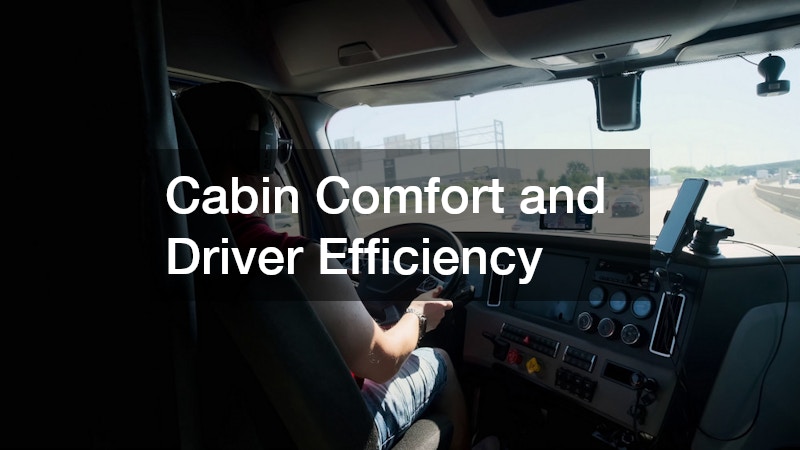
A driver who is comfortable, cool, and organized is safer and more productive. When you spend four to eight hours a day behind the wheel navigating traffic between job sites, the interior environment directly impacts your physical fatigue and daily output.
Managing Interior Temperatures and UV Exposure
Prolonged driving under intense sunlight creates severe heat buildup inside the cab while exposing the driver to continuous ultraviolet radiation. Over time, raw solar heat causes dashboard vinyl to crack, leather trim to split, and interior electronics to overheat.
Investing in a high-grade vehicle tinting service significantly reduces solar heat gain inside the cabin. Modern ceramic window films block up to 99% of damaging UV rays and reflect solar infrared radiation without interfering with GPS, cell signals, or radio frequencies. By maintaining a lower ambient cabin temperature, your air conditioning system operates more efficiently, reducing engine load and improving overall fuel economy during hot summer months.
- Infrared Heat Rejection: Lowers internal cabin temperature by up to 30°F during peak summer exposure.
- UV Ray Filtration:Prevents dashboard cracking and reduces harmful long-term skin exposure for drivers.
- Glare Reduction: Decreases eye strain during early dawn, dusk, and harsh mid-day driving conditions.
- Shatter Resistance: Adds a layer of security by helping hold window glass together during accidental impacts.
Organizing the Cab for Seamless Daily Operations
A disorganized cab leads to wasted time and unnecessary distraction while driving. Loose clipboards, roaming hand tools, and tangled charging cords create a chaotic environment that hurts professional presentation when clients peek inside your vehicle.
Outfitting your interior with tailored truck accessories transforms an ordinary cab into an efficient mobile office. Custom-molded floor liners trap mud, snow, and chemical spills before they reach the carpet. Under-seat storage organizers keep expensive diagnostic tools, paperwork, and safety gear hidden from view and secured against sliding around during transit.
- Heavy-duty floor liners
- Under-seat storage lockers
- Console workstations
- Upgraded seat cover protection
Upgrading Wheels, Tires, and Exterior Hardware
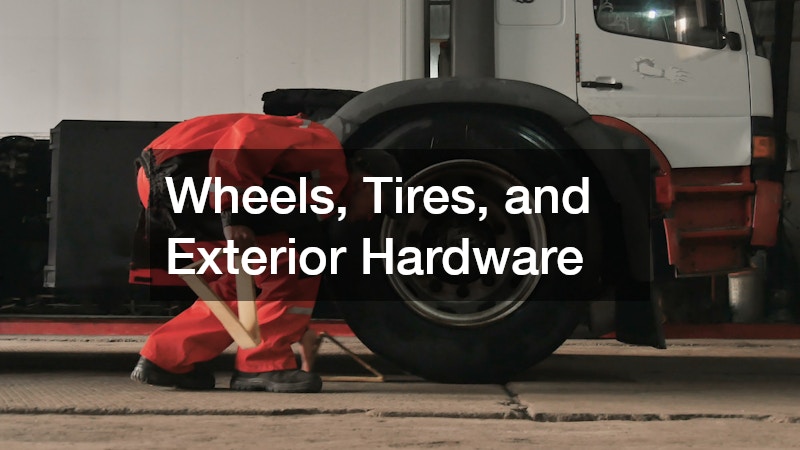
Your wheels and running gear are the direct connection between thousands of pounds of payload and the road surface. Equipping your vehicle with the right hardware ensures maximum stability, proper load handling, and an authoritative presence on the road.
Balancing Heavy-Duty Payload Specs with Custom Style
Upgrading your wheels and tires is one of the most effective ways to change the appearance of your rig, but performance must take priority over pure aesthetics. Standard passenger wheels are not rated for heavy payload capacities or towing stress, making proper rating verification critical before installation.
Seeking out a specialized custom truck wheel service ensures that any aftermarket wheels you select match or exceed your vehicle’s Gross Vehicle Weight Rating (GVWR). High-strength forged or heavy-cast alloy wheels provide superior durability off-road, improved heat dissipation around the brakes during long downhill hauls, and the precise offset needed to fit wider, high-load all-terrain tires.
- Load Rating Matching: Ensures aftermarket rims carry the structural rating required to support maximum tongue weights and bed payloads.
- Offset & Backspacing Optimization: Prevents tire rubbing against suspension components or outer fender wells under heavy compression.
- Enhanced Brake Cooling: Open wheel designs increase airflow around heavy-duty brake rotors, mitigating heat fade during mountain towing.
- Terrain Adaptability: Paired with aggressive tread designs, custom wheels provide the necessary track width for stability on muddy or loose job sites.
Choosing Quality Replacement Components for Maximum Rigidity
Heavy loads, rough access roads, and continuous mileage wear down exterior hardware and suspension components faster than normal passenger driving. When factory parts begin to fatigue, choosing cheap replacements leads to premature failure and dangerous highway handling.
Always source high-specification truck parts when upgrading or repairing your steering, suspension, or exterior mounting systems. Heavy-duty sway bars, upgraded gas-charged shocks, and heavy-gauge steel side steps improve vehicle safety and ease of access. High-quality replacement components preserve correct suspension geometry, ensuring your vehicle handles predictably even when loaded to maximum capacity.
- Upgraded Suspension Springs: Prevent rear-end sag when carrying heavy toolboxes or towing heavy machinery trailers.
- Heavy-Duty Bumper Systems: Steel replacement bumpers offer integrated winch mounts and recovery points for tough off-road environments.
- High-Output LED Lighting: Auxiliary driving lights improve night visibility on unlit backcountry roads or late-night work zones.
- Extended Towing Mirrors: Dual-lens power mirrors eliminate blind spots when hauling wide cargo trailers down busy highways.
Proactive Engine Maintenance and Power Optimization
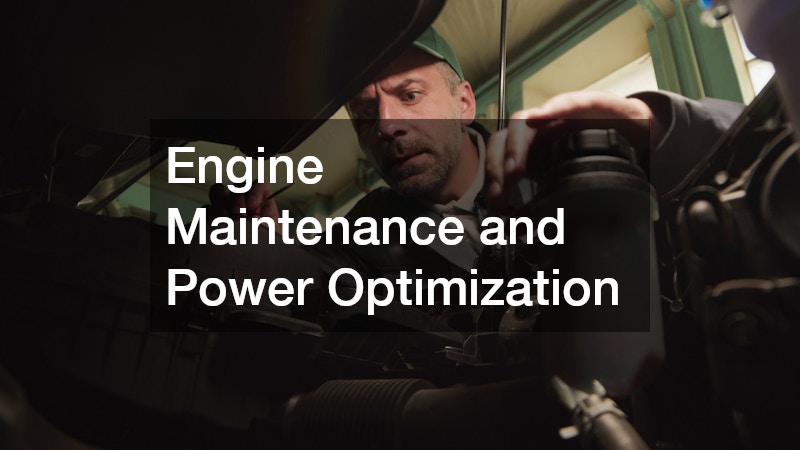
A well-maintained engine is the heart of any hardworking vehicle. Heavy towing, long idling periods at work sites, and stop-and-go driving under heavy load put tremendous stress on thermal management, fuel delivery, and internal lubrication systems.
Essential Diagnostic Routines for Heavy-Duty Engines
Heavy-duty powerplants—especially compression-ignition powerplants—operate under extreme cylinder pressures and thermal ranges. Simple oil changes are not enough to ensure long-term mechanical reliability; high-stress engines demand strict preventative care.
Establishing a routine relationship with a qualified diesel mechanic ensures that subtle engine degradation is identified before catastrophic mechanical failure occurs. Specialized technicians monitor turbocharger boost pressure, check exhaust gas recirculation (EGR) valves for carbon buildup, and analyze fuel injector balance rates. Regular fluid analysis can detect trace amounts of coolant, metal shavings, or unburned fuel in the oil long before warning lights appear on the dashboard.
- Injector System Testing: Identifies worn injector nozzles that cause uneven combustion, high fuel consumption, and excessive crankcase dilution.
- Turbocharger System Audits: Checks compressor wheel clearance and actuator movement to ensure efficient air intake under load.
- Exhaust Aftertreatment Care: Monitors soot loading in particulate filters to prevent costly exhaust blockages and engine derate modes.
- Cooling System Analysis: Tests anti-corrosion additives in heavy-duty coolant to prevent cavitation erosion around cylinder liners.
On-Site Engine Diagnostics for On-the-Job Troubleshooting
Engine issues rarely happen at a convenient time or in a shop parking lot. A sensor failure, a clogged fuel filter, or a burst cooling hose often occurs while your vehicle is parked at an active job site or idling in a remote staging area.
Utilizing a professional mobile diesel repair service allows you to resolve critical mechanical issues right where your vehicle is parked. Trained technicians arrive with fully equipped service vehicles containing diagnostic computers, high-pressure hose repair tools, and common sensors. This eliminates the expense and hassle of moving a disabled rig to a brick-and-mortar shop, keeping your project schedules on track.
- On-Site Code Diagnostics: Uses advanced scan tools to read factory fault codes and isolate electrical, fuel, or sensor failures immediately.
- Emergency Fuel System Priming: Clears airlocks, replaces clogged filters, and addresses contaminated fuel issues directly in the field.
- Hose and Belt Replacement: Swaps failed serpentine belts and pressurized coolant lines on-site to restore thermal cooling capabilities.
- Battery & Alternator Service: Tests charging systems under load and replaces heavy-duty battery banks directly at your job site location.
Building a Bulletproof Roadside Contingency Plan
Even with meticulous preventative maintenance and durable upgrades, mechanical failures, tire blowouts, and highway hazards can happen to anyone. When a major breakdown strikes mid-transit, having a structured roadside response protocol protects your equipment, your cargo, and your bottom line.
Managing Mid-Route Trailer and Mechanical Breakdowns
A breakdown involving a loaded commercial vehicle or a multi-ton trailer creates an urgent safety and operational hazard. A flat tire on a loaded tandem axle or a locked trailer brake can stall operations and put drivers at risk on dangerous highway shoulders.
Establishing a reliable contact for local mobile truck and trailer repair provides an immediate safety net when roadside emergencies happen. Specialized roadside mechanics carry mobile air compressors, heavy-duty hydraulic jacks, and specialized welding equipment to execute complex repairs directly on the side of the highway. Resolving trailer hub failures, air line leaks, or broken leaf springs on location gets your cargo back in motion quickly and safely.
- Roadside Tire Replacement: Fast replacement of high-ply commercial tires on both drive axles and multi-axle trailers.
- Air Brake System Repairs: Instant troubleshooting and replacement of blown air chambers, leaking gladhands, and damaged air lines.
- Trailer Suspension Service: Field repairs for broken leaf spring packs, sheared U-bolts, and damaged equalizer bars.
- Lighting and Electrical Wiring: Quick repairs for severed trailer wiring harnesses to ensure tail lights and electric brakes function safely.
Transport Protocol When On-Site Repairs Aren’t Enough
Some mechanical failures are too severe for roadside fixes. Transmission internal failures, broken axle shafts, severe collision damage, or major engine lockups require moving your vehicle to a fully equipped repair facility.
When on-site repairs are not possible, calling a heavy-duty tow truck service ensures that your vehicle is recovered safely without causing secondary damage to the frame, driveline, or bumper system. Heavy recovery vehicles possess the high-tonnage boom capacity, wheel-lift gear, and air-under-lift connections needed to transport fully loaded work trucks and heavy chassis setups without straining drive components.
- Proper Driveline Disconnection: Ensures drive shafts are disconnected before transport to prevent devastating internal transmission damage.
- Heavy Tonnage Extraction: High-capacity winches safely recover vehicles stuck in deep mud, gravel beds, or off-road ditches.
- Integrated Air Supply: Supplies auxiliary air from the tow vehicle to release locked spring brakes on disabled air-brake rigs.
- Safe Fleet Relocation: Moves both the primary vehicle and attached cargo trailers directly to a secure facility or destination shop.
Your work vehicle is far more than a basic tool—it is the foundation of your daily operations and a major reflection of your professional standards. Protecting and personalizing your rig is an ongoing process that pays off every single day through better efficiency, increased comfort, and lower operating costs.
By shielding your vehicle’s bodywork with tough protective bed coatings and paintless dent restoration, you protect its structural integrity against daily wear and tear. Upgrading your cabin with solar window films and organized interior storage creates a functional, low-stress workspace that keeps you productive on long shifts. Equipping your rig with correctly rated heavy-duty wheels, suspension components, and high-quality replacement parts ensures that it handles heavy loads safely and predictably on any terrain.
Finally, pairing diligent engine diagnostic routines with a trusted network of mobile repair specialists and heavy recovery professionals builds a complete safeguard around your business. When you invest the time to protect, personalize, and maintain your rig properly, it will continue to work hard for you mile after mile, job after job, for years to come. Take a look at your vehicle today, identify the areas that need attention, and start building a protection plan that fits your workload.