The logistics industry is the heartbeat of the modern economy, relying on a complex network of heavy-duty vehicles to move goods across vast distances. For owner-operators and fleet managers, success is measured by the ability to keep wheels turning while managing overhead costs and ensuring driver safety. This guide examines the essential support systems and maintenance practices required to run a high-performing commercial operation in today’s competitive transport landscape.
Selecting the Right Equipment for Specialized Logistics Projects
Every hauling job has unique requirements that dictate the type of machinery needed for the task. In some cases, a permanent addition to a fleet isn’t the most cost-effective solution, leading many businesses to seek out dump truck rental companies for short-term construction or infrastructure projects. Renting allows for greater flexibility, enabling a company to scale its capacity based on current contract demands without the long-term debt associated with a purchase.
When choosing equipment, it is important to evaluate the terrain and the specific density of the materials being moved. A vehicle that is perfectly suited for highway transport may struggle on a rugged job site. By aligning the mechanical capabilities of the truck with the physical demands of the project, operators can prevent premature wear on their primary assets and maintain a higher level of productivity throughout the duration of the job.
The rental model also provides an opportunity to test the latest vehicle technologies without a full capital commitment. Many rental fleets prioritize newer models with better fuel efficiency and updated safety features. This can be a strategic advantage for contractors who need to meet specific environmental standards or safety protocols required by certain municipal or federal contracts.
Enhancing Vehicle Performance and Utility Through Professional Customization
Standard factory specifications are often just a starting point for specialized industries. To meet the specific needs of different trades, many operators invest in commercial upfits that transform a standard chassis into a highly functional workspace. These modifications can range from specialized storage racking and ladder racks to integrated power systems that support heavy tools in the field.
Beyond interior utility, the exterior performance of a truck can be improved through custom wheel services that provide better heat dissipation and weight distribution. Selecting the right wheels isn’t just about the visual appeal of the rig; it’s about reducing unsprung weight and improving fuel efficiency. High-quality wheels can also stand up better to the rigors of long-haul driving, reducing the frequency of replacements and ensuring the truck remains balanced and safe at highway speeds.
Customization also plays a role in driver retention. A truck that is outfitted with ergonomic features and organized storage reduces the physical strain on the operator. When a driver has everything they need within reach and a vehicle that handles predictably due to proper wheel balancing and alignment, job satisfaction increases. In an era where driver shortages are a constant concern, these small details in vehicle configuration can make a significant difference.
Safeguarding Cargo During Transit with High Quality Equipment
Protecting the load is a primary responsibility for any driver, especially when hauling materials that are sensitive to weather or debris. Utilizing a durable truck tarp is the most effective way to ensure that goods arrive at their destination in the same condition they left. These covers are essential for open-top trailers and flatbeds, preventing moisture, wind, and road grime from damaging the freight.
Tarps must be inspected regularly for tears or thinning material, as even a small hole can lead to significant cargo loss or insurance claims. Investing in heavy-duty, reinforced materials pays for itself by providing a longer service life and better protection against the elements. A well-secured load also improves the aerodynamics of the vehicle, which can lead to marginal but meaningful improvements in fuel economy over thousands of miles.
The process of tarping is also a safety concern. Modern systems often include automated or semi-automated rollers that allow the driver to cover the load from the ground. This reduces the risk of falls and injuries associated with climbing on top of a trailer in windy or icy conditions. Ensuring your fleet is equipped with the right style of tarp for the specific cargo being carried is a hallmark of a professional operation.
Managing the Cleanliness and Compliance of Industrial Tankers
For those involved in the transport of liquids, chemicals, or food-grade materials, hygiene and safety are paramount. Engaging with commercial tank cleaning services ensures that trailers are properly decontaminated between loads, preventing cross-contamination and adhering to strict environmental regulations. This process is highly technical and requires specialized equipment to reach all interior surfaces of the tank safely.
Regular cleaning also allows for a thorough inspection of the tank’s structural integrity. Technicians can spot signs of pitting, corrosion, or seal failure that might otherwise go unnoticed. Maintaining a pristine interior environment not only protects the quality of the product being hauled but also extends the life of the trailer by preventing chemical degradation of the metal surfaces.
Environmental compliance is another critical factor in tank management. Professional cleaning facilities are equipped to handle the runoff and waste generated during the wash process in accordance with local and federal laws. For companies moving hazardous materials, having a documented trail of professional cleaning is often a requirement for insurance and regulatory audits, providing proof of due diligence in maintaining safety standards.
Utilizing Auxiliary Power to Reduce Operational Overhead
Fuel remains one of the largest expenses in the trucking industry, and excessive idling is a major contributor to wasted costs. Many savvy operators look for a used apu for semi trucks to provide climate control and electrical power during mandatory rest periods. An Auxiliary Power Unit allows the driver to stay comfortable and keep their devices charged without running the massive main engine, which burns significantly more fuel per hour.
Buying a used unit can be a strategic way to gain these benefits while minimizing the initial capital expenditure. These systems significantly reduce the “engine hours” on the primary power plant, which can extend the time between major service intervals and increase the eventual resale value of the truck. In an industry where margins are thin, the fuel savings provided by an APU can be the difference between a profitable quarter and a loss.
Furthermore, APUs help drivers comply with increasingly strict anti-idling ordinances in many states. These laws are designed to reduce noise and air pollution, and fines for non-compliance can be substantial. By providing a self-contained power source, an APU ensures that a driver can get the rest they need in a climate-controlled cabin without risking a ticket or unnecessarily wearing out their expensive primary engine.
Reliability and Expertise in Large Scale Freight Transportation
The choice of a freight carrier can make or break a supply chain. Reliability in this sector is built on a foundation of experienced drivers and a well-maintained fleet. Businesses need to know that their products will be handled with care and delivered on a consistent schedule. A carrier that utilizes modern tracking technology and maintains clear communication with its clients provides a level of security that is essential for modern just-in-the-time manufacturing.
Efficiency in freight also involves smart routing and load optimization. By maximizing the available space in every trailer and using data to avoid traffic bottlenecks, carriers can reduce their environmental impact and pass savings on to their customers. A commitment to excellence in these operational details is what separates top-tier logistics providers from the rest of the market.
Freight safety extends beyond the mechanical state of the truck. It involves rigorous training in cargo securement and defensive driving. A carrier that invests in its human capital as much as its mechanical assets will always have a lower incident rate. This results in fewer insurance claims and more predictable delivery windows, which are the two most important metrics for any shipping department.
Essential Recovery Solutions for Heavy Duty Roadside Incidents
Even the most robust trucks can encounter mechanical issues or accidents that require specialized intervention. When a large rig is immobilized, standard recovery equipment simply won’t suffice. Professional semi truck towing services utilize heavy-duty wreckers equipped with the power and reach necessary to move a fully loaded tractor-trailer safely.
These recovery teams are trained in complex scenarios, such as uprighting overturned trailers or performing under-reach tows that prevent damage to the truck’s fiberglass fairings. Having a reliable heavy-duty towing partner ensures that your equipment is handled by experts who understand the weight distributions and air-brake systems unique to commercial vehicles, minimizing the risk of secondary damage during the recovery process.
Response time is also a critical factor in heavy-duty towing. A stalled semi can create massive traffic backups and safety hazards on the highway. Professional recovery companies work closely with local law enforcement to clear scenes as quickly as possible. Their expertise in rigging and weight management allows them to move vehicles that would be impossible for smaller tow trucks to handle, protecting both the asset and the flow of commerce.
Comprehensive Support for Diverse Industrial Trucking Needs
The scope of the transportation industry extends into specialized construction and lifting tasks that require more than just a standard trailer. Many infrastructure projects rely on multifaceted trucking services that integrate hauling with crane operations or oversized load management. These services require meticulous planning, often involving pilot cars and special permits to navigate public roadways.
Managing these complex logistics requires a deep understanding of weight limits, bridge heights, and regional regulations. By partnering with a provider that offers a broad range of industrial trucking capabilities, businesses can streamline their operations and ensure that even the most challenging equipment moves are handled with precision and safety.
Specialized trucking often involves the transport of “high-value” or “over-dimensional” loads, such as wind turbine blades or large industrial boilers. These moves require specialized trailers like lowboys or multi-axle extendables. A trucking service that maintains this type of equipment demonstrates a high level of technical proficiency and a willingness to handle the most demanding jobs in the industrial sector.
Finding Rapid Assistance for Local Mechanical Failures
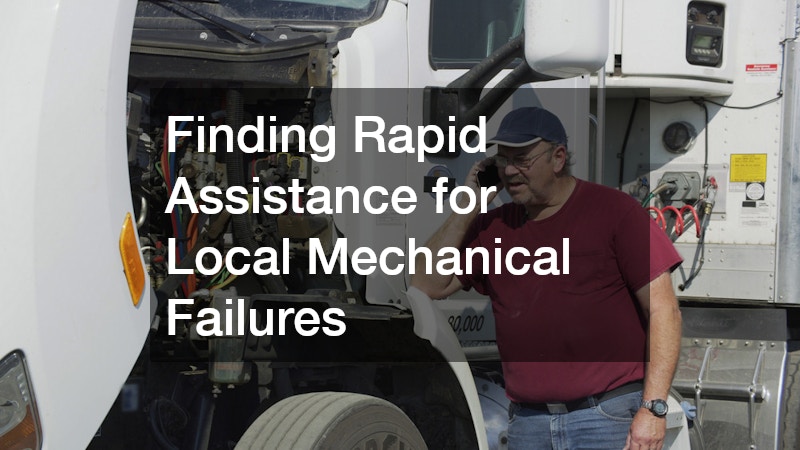
While long-haul recovery is a major concern, local breakdowns can be just as disruptive to a business day. Finding a local tow truck service that can respond quickly to a stalled delivery vehicle or a localized mechanical fault is vital for maintaining customer satisfaction. A fast response time prevents a minor delay from cascading into a major logistical failure.
Local towing providers often have a deep knowledge of the area’s repair shops and can help guide a driver to the best facility for their specific needs. Building a relationship with a local provider can lead to priority service during peak times or inclement weather, ensuring that your fleet spends more time on the road and less time waiting for help to arrive.
These local services are often the first line of defense for urban fleets. Navigating a semi-truck through tight city streets after a breakdown requires a tow driver with specific urban recovery skills. By keeping the number of a trusted local service in the cab, drivers can reduce their stress during an unexpected stop and get back to their route with minimal downtime.
Maintaining the Human Element in Modern Trucking
While technology and high-end equipment are essential, the heart of the industry remains the driver. Long hours on the road can take a toll on physical and mental health. Forward-thinking companies are now focusing on “driver-first” designs in their trucks, including high-quality mattresses, noise-canceling insulation, and advanced climate control systems.
Training is another area where the human element is prioritized. Beyond basic CDL requirements, ongoing education in fuel-efficient driving techniques and the use of new technology keeps drivers engaged and professional. When a company invests in its drivers, the results are seen in lower turnover rates and a safer, more efficient fleet.
Furthermore, the community aspect of trucking shouldn’t be ignored. Truck stops, forums, and trade shows provide a space for drivers to share information and support one another. This social network is vital for passing on “tricks of the trade” that aren’t found in any manual, such as the best places for maintenance or tips for navigating difficult routes during the winter months.
Mastering the Road Through Preparation
Success in commercial trucking is not the result of a single factor, but the culmination of many small, disciplined choices. From the quality of the tarps protecting the cargo to the expertise of the repair teams keeping the engines running, every detail matters. By investing in the right equipment, customizations, and support services, fleet owners and operators can build an operation that is both profitable and sustainable.
As you navigate the challenges of the road, remember that you are part of a vital community that keeps the world moving. By prioritizing safety, efficiency, and professional care, you ensure that your business remains a reliable link in the global supply chain. The journey of a thousand miles begins with a well-maintained truck and a plan for any eventuality the road may hold.
The future of trucking is bright, but it belongs to those who are willing to evolve. Whether it is adopting new power systems or refining the logistics of a local delivery route, the goal is always the same: excellence in motion. Stay safe, stay informed, and keep hauling toward a more efficient and prosperous future.